It is May 16, 2026, the season of dazzling fresh greenery. Today is also “Tabi no Hi (Travelers’ Day),” which is said to have its origin in Matsuo Basho’s departure on this day in 1689 on his “Oku no Hosomichi (Narrow Road to the Deep North)” journey. A leisurely stroll around the neighborhood while thinking about the people of that time would be an exceptional diversion at this time of the year. In this mild spring weather, light and exciting trends are emerging in the food world as well. Today, we propose a special dish that combines the latest sweets trends with seasonal ingredients.
CONTENTS
- A discussion of recent search trends
- Recommended sweets associated with recent search trends
- Popular sweets related to “Chilly Kuzu Manju-style Jelly” (Jelly)
- Popular sweets related to “Tsubuan & Mochi Financier” (Financier)
- Popular sweets related to “Mottochiri Kuromitsu Warabimochi-style Doughnut” (Doughnuts)
- Popular sweets related to “tsubuan & mochi financier” (tsubuan)
- Popular sweets related to “Chilly Kuzu Manju-style Jelly” (Manju)
- Popular sweets related to “Mottochiri Kuromitsu Warabimochi-style Donuts” (Warabimochi)
- Popular recipes related to search trends
- Our creative recipes
A discussion of recent search trends
The search trends for May 14, 2026 highlight a strong interest in food and a need for everyday comfort. In particular, the top-ranked word “Missed reservation motchurin” symbolizes the anticipation for limited-edition sweets and the modern consumer behavior of wanting to be sure to get them without standing in line. In addition, while sports and entertainment topics line the list, trends are dispersed to food and hobbies, and consumers seem to be seeking “small but sure happiness” in their daily lives. This trend toward textures such as “mochichiri/mochimochi” matches the light mood of the fresh green season, and it can be inferred that “enjoyment of texture” is the key to homemade sweets as well.
Associated Sweets Keywords
- Mochi Kuromitsu Warabimochi-style donuts
- Mochi Mousse with Green Tea
- Spring Fruit Filled Omelette
- Tsubuan & Mochi Financier
- Chilled kuzu manju-like jelly
Recommended sweets associated with recent search trends
This article contains affiliate links. If you purchase products through the links, a portion of the proceeds will be returned to this site.
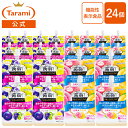
Popular sweets related to “Chilly Kuzu Manju-style Jelly” (Jelly)
![銀座千疋屋 果実ゼリー詰合せ(6個入り)[送料無料][ポイント2倍][WEB限定価格]~ お中元 御...](https://thumbnail.image.rakuten.co.jp/@0_mall/1894ginza-sembikiya/cabinet/01891892/23kajitsu06.jpg?_ex=128x128)

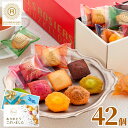
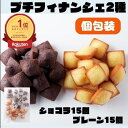
Popular sweets related to “Tsubuan & Mochi Financier” (Financier)

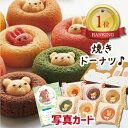
Popular sweets related to “Mottochiri Kuromitsu Warabimochi-style Doughnut” (Doughnuts)


Popular sweets related to “tsubuan & mochi financier” (tsubuan)

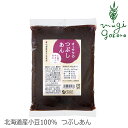
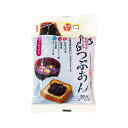
Popular sweets related to “Chilly Kuzu Manju-style Jelly” (Manju)

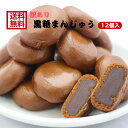
Popular sweets related to “Mottochiri Kuromitsu Warabimochi-style Donuts” (Warabimochi)


Popular recipes related to search trends
The following recipe is adapted from Rakuten Recipes. Thank you for disclosing and providing us with great recipes.
Popular recipes related to “Motto Chiri Kuromitsu Warabimochi-style Doughnuts




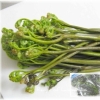
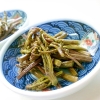
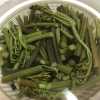
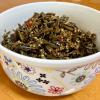
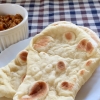
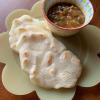
Popular recipes related to “Tsubuan & Mochi Financier






Popular recipes related to “Chilled kuzu manju-style jelly





Popular recipes related to “Mochi Mochi Mousse with Green Tea


Our creative recipes
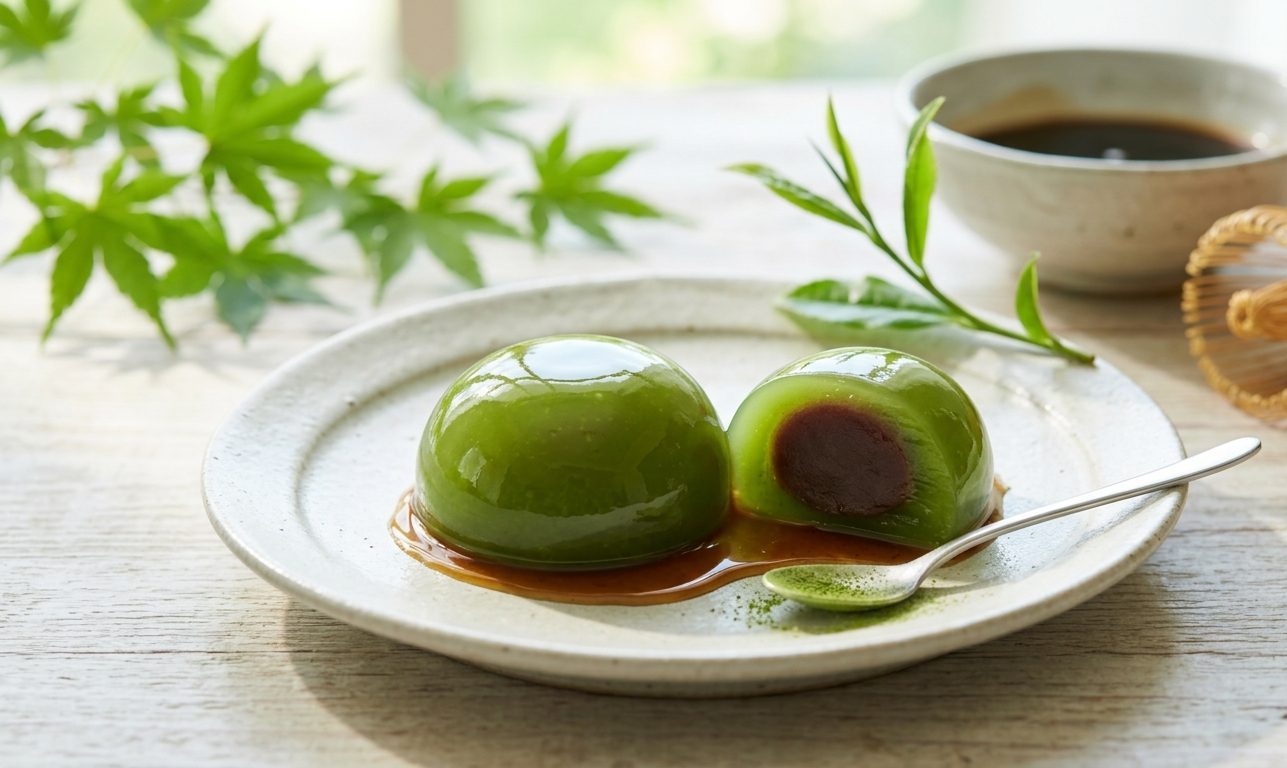
Smooth and glutinous! Chilled Kuzu manju-like jelly with green tea honey
It is May 16, 2026, the season of dazzling fresh greenery. Today is also “Tabi no Hi (Travelers’ Day),” which is said to have its origin in Matsuo Basho’s departure on this day in 1689 on his “Oku no Hosomichi (Narrow Road to the Deep North)” journey. A leisurely stroll around the neighborhood while thinking about the people of that time would be an exceptional diversion at this time of the year. In this mild spring weather, light and exciting trends are emerging in the food world as well. Today, we propose a special dish that combines the latest sweets trends with seasonal ingredients.
material
| Material name | amount | remarks |
|---|---|---|
| Kudzu kudzu starch (or potato starch) | 50g | Approx. 180 kcal |
| tapioca flour | 20g | the key to a glutinous feeling |
| Sugar (caster sugar) | 40g | mildly sweet |
| water (esp. cool, fresh water, e.g. drinking water) | 250ml | Base moisture |
| powdered green tea | 1 teaspoon | For coloring |
| strained bean paste | 100g | Use 25g each |
| brown sugar syrup | proper quantity | finishing touch |
Approximate total calories: 160 kcal (per person)
way of making
First, prepare the “red bean paste” that will be used as the center. Divide 25g of Koshi An into 4 equal portions and roll them out. At this time, cut a small piece of plastic wrap and roll it on it to keep your hands clean and the shape neat.
Process 2: The magic of preparing the base: In a small saucepan, combine the kuzu flour, tapioca flour, and sugar, and mix gently with a whisk until there are no powdery bits. Then add 1/3 of the amount of water and carefully dissolve smoothly until there are no lumps.
Add the remaining water and matcha powder, and mix all together again. If you are concerned about any lumps of matcha remaining, pass the mixture through a strainer once for a more delicate finish.
[Process 4: Drama of heating] Place a small saucepan over medium heat. Keep stirring constantly from the bottom of the pot with a wooden spatula. When the mixture becomes fluffy, clear and heavy, reduce the heat to low and knead vigorously for another minute. The secret to making mochi puru is to heat it thoroughly.
Pour 1/3 of the kneaded kuzu dough into a small bowl or jelly mold that has been lightly wetted with water. In the center of the mold, gently sink the prepared bean jam and cover with the rest of the dough.
After that, wrap the jelly in plastic wrap and place in the refrigerator for at least 3 hours to let it cool and harden.
This is the secret to the delicious taste! Key Points
The biggest point is the timing of “heating”. Kuzu flour melts smoothly when it is first heated, but from a certain point, it rapidly becomes sticky. At this point, you should not stop the heat immediately and say, “Is that enough?” The scientific secret to maintaining the sticky texture and not becoming too hard after cooling is to continue heating the kuzu flour firmly for another minute until the transparency is spread throughout the entire dough and it becomes sticky and elastic.
Examples of mistakes we tend to make
The first mistake beginners are prone to make is undercooking. If the color is not completely clear and whitish, the texture will be more like a thick liquid than a jelly, and it will not solidify.
The second is the timing of adding the bean jam balls. If the dough is put in too soon after it is removed from the pan, it will be too hot and the bean jam will sink too deeply, settling at the bottom and making the appearance unbalanced. The correct answer is to allow the dough to cool slightly after it is placed in the mold.
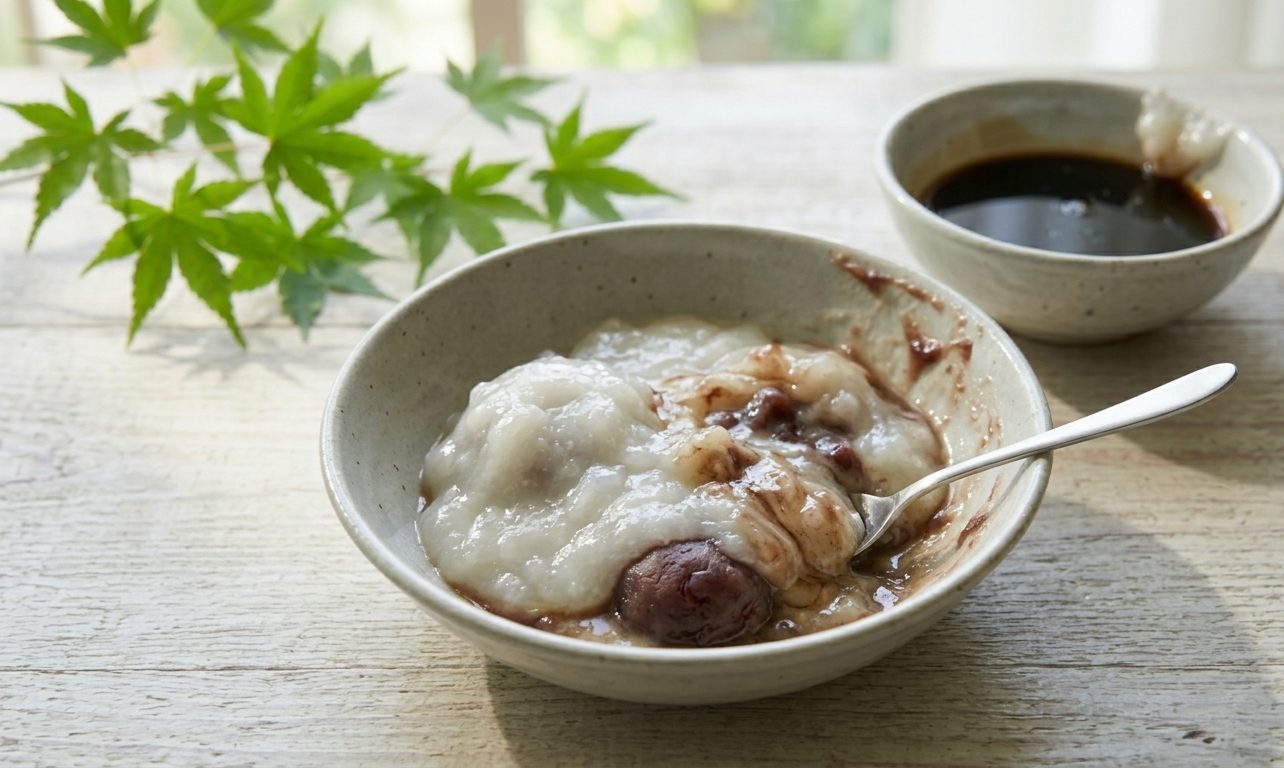
At the end.
Please pour a generous amount of molasses over the finished jelly just before eating. It can be stored in the refrigerator for about 2 days, but the texture will change little by little over time, so please enjoy it in its “puru-puru” state as soon as possible after you make it. We hope that your tea time will be a peaceful and colorful time of the day.

コメント