April 30, 2026, is finally the last day of April. The spring weather has reached its peak, and the glare of the fresh green is getting stronger by the day. Incidentally, today is “Library Day. The name comes from the fact that Japan’s first public library, the Book Depository, was once opened today in the Meiji era (1868-1912). Just as libraries enrich our daily lives with new knowledge, why not bring a new breeze to our dining table as well? As spring turns to early summer, we will provide you with tips and hints on how to add color to your daily life through homemade dishes, while also incorporating the latest trends. Let’s start a new exciting time in the kitchen today!
CONTENTS
- A discussion of recent search trends
- Recommended sweets associated with recent search trends
- Popular sweets related to “Spring Blessing Dokudami Refreshing Jelly” (Jelly)
- Popular sweets related to “Matcha Layered Mille Crepe Celebrating the New Green Season” (Crepe)
- Popular sweets related to “Japanese-style canele with brown sugar soybean flour for adults at ease” (Canele)
- Popular Sweets Related to “Preserved Food-Style Dried Fruit Cake for Disaster Preparedness Awareness” (Cakes)
- Popular Sweets Related to “Preserved Food-Style Dried Fruit Cake for Disaster Preparedness Awareness” (Fruit Cake)
- Popular sweets related to “Mille Crepe with Layers of Green Tea Celebrating the New Green Season” (Mille Crepe)
- Popular sweets related to “Japanese-style canele with brown sugar soybean flour for adults at ease” (Brown Sugar)
- Popular sweets (nuts) related to “A caramel nut bar to watch the game and eat in one hand” (nuts)
- Popular Sweets Related to “Preserved Food-Style Dried Fruit Cake for Disaster Preparedness Awareness” (Dried Fruits)
- Popular recipes related to search trends
- Our creative recipes
A discussion of recent search trends
Trends at the end of April 2026 are a complex mix of sports frenzy and wariness of sudden disasters. While the Dodgers and the excitement of professional baseball are drawing attention, real-life issues such as earthquake preparedness and naphtha shortages are also emerging, and readers’ psychology is strongly motivated by the desire to protect the tranquility of their daily lives. In this time before the holidays, the value of “home time” to heal body and soul is being reevaluated, and homemade sweets with a sense of security, utilizing ingredients reminiscent of seasonal dokudami and fresh greenery, should help to ease anxious minds.
Associated Sweets Keywords
- Refreshing jelly of dokudami, a blessing of spring
- Preserved Food-Style Dried Fruit Cake for Disaster Preparedness Awareness
- One-hand caramel nut bar to accompany the game and to eat in one hand.
- Matcha layered mille crepe celebrating the season of fresh greenery
- Japanese-style canele with brown sugar soybean flour for adults at ease
Recommended sweets associated with recent search trends
This article contains affiliate links. If you purchase products through the links, a portion of the proceeds will be returned to this site.
Popular sweets related to “Spring Blessing Dokudami Refreshing Jelly” (Jelly)


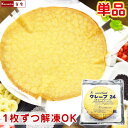
Popular sweets related to “Matcha Layered Mille Crepe Celebrating the New Green Season” (Crepe)


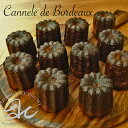
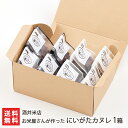
Popular sweets related to “Japanese-style canele with brown sugar soybean flour for adults at ease” (Canele)

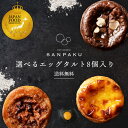
Popular Sweets Related to “Preserved Food-Style Dried Fruit Cake for Disaster Preparedness Awareness” (Cakes)

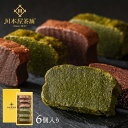
Popular Sweets Related to “Preserved Food-Style Dried Fruit Cake for Disaster Preparedness Awareness” (Fruit Cake)


![母の日 2026 [ ピエール・エルメ・パリ ] クールミロワールイスパハン |指定日届※沖縄・離島...](https://thumbnail.image.rakuten.co.jp/@0_mall/odakyu-dept-store/cabinet/event/thumb/mother/1052512175.jpg?_ex=128x128)
Popular sweets related to “Mille Crepe with Layers of Green Tea Celebrating the New Green Season” (Mille Crepe)
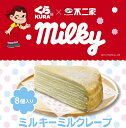


Popular sweets related to “Japanese-style canele with brown sugar soybean flour for adults at ease” (Brown Sugar)


Popular sweets (nuts) related to “A caramel nut bar to watch the game and eat in one hand” (nuts)

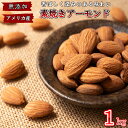
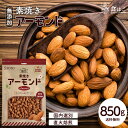
Popular Sweets Related to “Preserved Food-Style Dried Fruit Cake for Disaster Preparedness Awareness” (Dried Fruits)
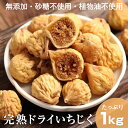

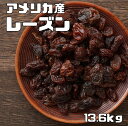
Popular recipes related to search trends
The following recipe is adapted from Rakuten Recipes. Thank you for disclosing and providing us with great recipes.
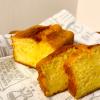
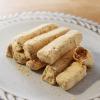
Popular recipes related to “Preserved Food-Style Dried Fruit Cake for Disaster Preparedness Awareness”



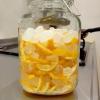

Popular recipes related to Mille Crepes with Layers of Green Tea to Celebrate the New Green Season
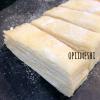



Popular recipes related to “Refreshing Jelly of Spring Blessing Dokudami

Our creative recipes
Japanese-style canele with brown sugar soybean flour for adults at ease
Away from the hectic pace of everyday life, this luxurious Japanese-style canele is a comforting teatime treat, enveloped in the deep richness of brown sugar and the savory aroma of soybean flour. Japanese ingredients add depth to the unique texture that is crispy on the outside and moist on the inside.
material
| Material name | amount | Remarks/Calories |
|---|---|---|
| (cow’s) milk | 250ml | return something (that has been moved to a lower temperature) |
| unsalted butter | 25g | The decisive factor in texture |
| weak flour | 50g | leave alone |
| soybean flour | 20g | The Key to Fragrance |
| Brown sugar (powder) | 80g | Rich sweetness |
| egg yolk | 1 piece | Add richness |
| rum | 1 tablespoon | Adult flavoring |
*Guideline for total calories: 850 kcal (about 6 servings, about 140 kcal per person)
way of making
Step 1: Build the foundation of the dough: Place milk and unsalted butter in a small saucepan over medium heat. When the butter is completely melted, turn off the heat, add the brown sugar and gently melt with a whisk.
[Process 2: Flour fusion] Sift the flour and soybean flour into a bowl and drop the egg yolks into the center. Pour the beef milk solution from Step 1 in three parts and mix with a rubber spatula to scrape the bottom of the bowl. The trick is to mix in a cutting motion so as not to hold in air.
[Process 3: Time for aging] Add the rum and strain once through a colander. Cover tightly with plastic wrap and let it rest overnight (at least 8 hours) in the refrigerator. This rest is the magic that gives the canele its unique texture.
Bring the dough to room temperature just before baking. Preheat the oven to 220°C. Brush the canele mold with a thin layer of melted butter.
Process 5: Golden adventure] Fill the molds to the 9th fill, then bake slowly in the oven at 220°C for 15 minutes, then lower the temperature to 190°C for 40 minutes, until the surface is deep brown.
This is the secret to the delicious taste! Key Points
The success of canelees comes down to “letting the dough rest”. Allowing the dough to rest properly creates a thick layer on the surface of the baked product, which contrasts perfectly with the chewy texture of the interior. Scientifically, the stabilization of gluten is an important process that determines this texture.
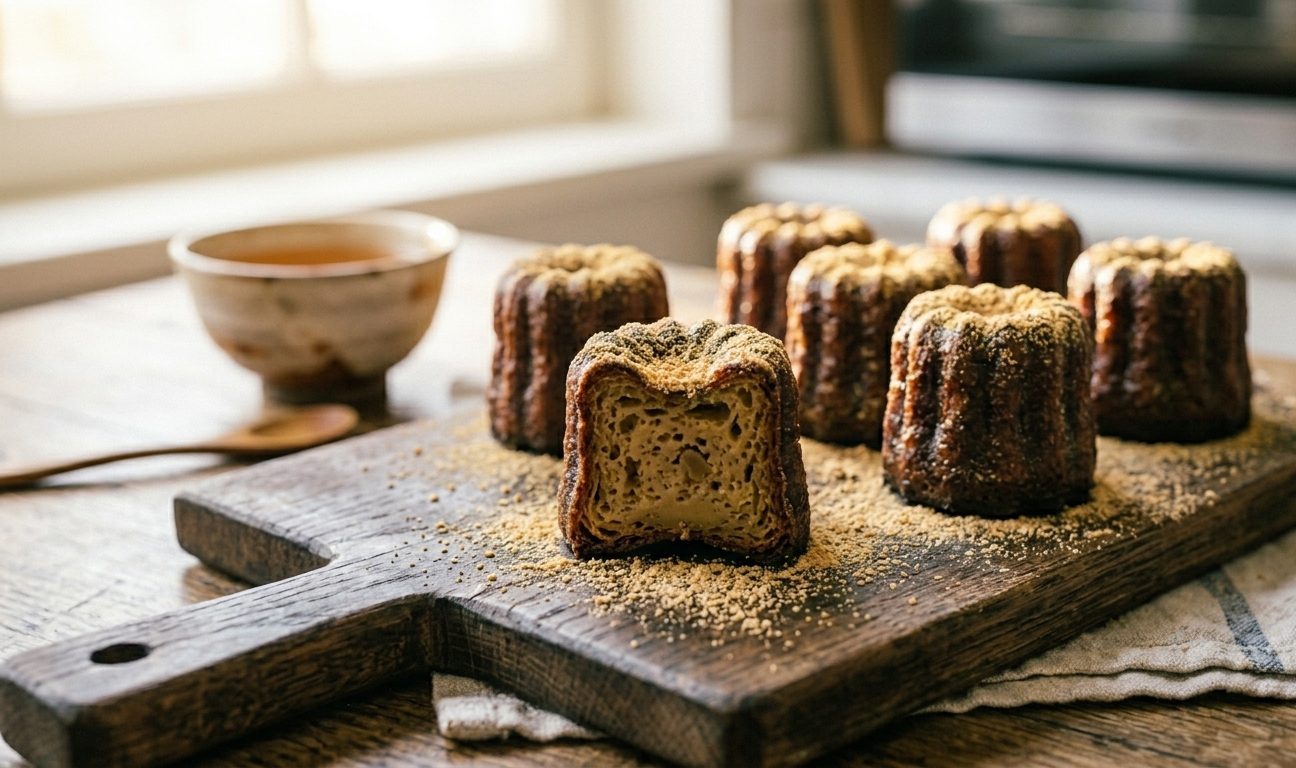
Examples of mistakes we tend to make
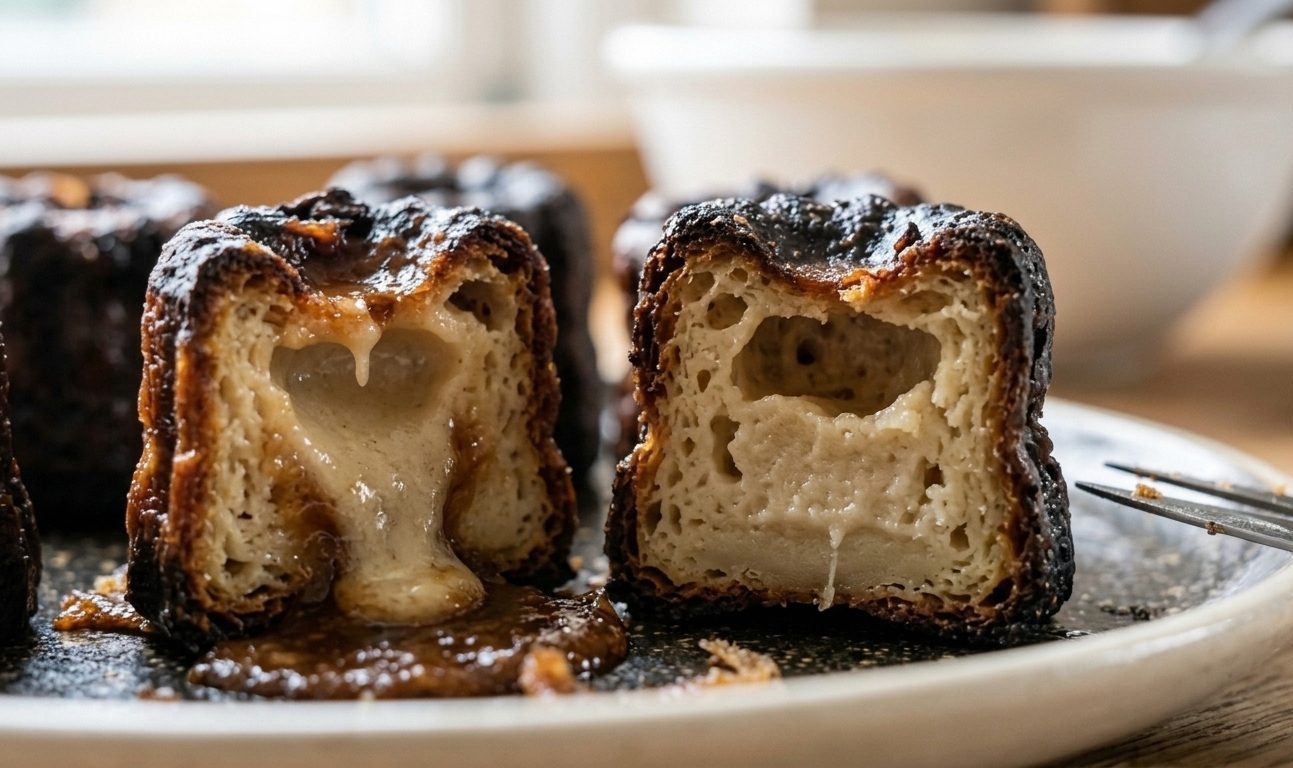
Tips to Prevent Common Cannelé Failures
- Bring the batter to room temperature before baking: Take the batter out of the fridge 1–2 hours before baking to reach about 15–20°C (59–68°F). If it’s too cold, the baking time will end before the center is cooked through.
- Lower the temperature for a slow bake: If the exterior browns too quickly, lower the oven temperature by 10–20°C mid-bake. Covering the molds with aluminum foil can also help cook the center thoroughly without further charring the surface.
- Mix gently without introducing air: Using a whisk too vigorously incorporates air bubbles. The key is to use a rubber spatula and mix slowly as if scraping the bottom of the bowl.
- Let the batter rest for at least 24 hours: Resting the batter for a long period relaxes the gluten, preventing the pastry from “exploding” or rising uncontrollably during baking.
- Adjust the bottom heat: Excessive bottom heat at the start causes steam to expand violently at the base. Placing the molds on double baking sheets can help temper the heat from below for a more stable bake.
- Bake on the lower rack: If the top heat is too close, the high sugar content in cannelés will carbonize quickly. Place them on the lowest rack possible to stay away from the heat source.
- Shield with aluminum foil: Once you achieve the ideal dark color, place a sheet of aluminum foil over the molds. This blocks direct heat and prevents further burning while allowing the baking process to continue.
- Center the molds: The corners of an oven tend to trap heat, which can lead to uneven burning. Arrange your molds toward the center for balanced heat distribution.
At the end.
The fragrant aroma of freshly baked cakes will surely relax your mind as they spread around the room. When they cool down, reheat them lightly in a toaster to restore their crunchiness. We hope you will enjoy a peaceful time with your favorite Japanese tea or coffee.


コメント